

Leasing Solar Panels: What Auto Owners Need to Know
In today’s world, the push for renewable energy sources has gained significant momentum, and solar power stands out as a leading option for homeowners looking to reduce their carbon footprint and energy bills. For auto owners, who often prioritize efficiency and sustainability in their vehicle choices, the idea of harnessing solar energy can be particularly appealing. However, the financial implications of going solar—specifically through leasing—can be complex and warrant careful consideration. One critical aspect that often goes overlooked is the potential impact of leasing solar panels on your home’s financial standing, particularly regarding liens.
When you lease solar panels, you are essentially entering into a long-term agreement with a solar provider, which can have implications for your property. This is not just a simple transaction; it can affect your home’s equity and overall financial health. As auto owners, you may already be familiar with the intricacies of financing vehicles, but the nuances of solar leasing can introduce new challenges. Understanding whether leasing solar panels puts a lien on your house is crucial for making informed decisions that align with your financial goals.
With the rising popularity of solar energy, many auto owners are considering this option as a way to enhance their homes and reduce reliance on traditional energy sources. However, it is essential to grasp the potential risks and benefits involved in leasing solar panels. This knowledge can help you avoid unexpected financial pitfalls and ensure that your investment in solar energy complements your overall financial strategy. As we delve deeper into this topic, we will explore the mechanics of solar leasing, the implications of liens, and what you need to know to navigate this landscape effectively.
The Financial Implications of Leasing Solar Panels
Leasing solar panels can be an attractive option for homeowners looking to adopt renewable energy without the upfront costs of purchasing a system outright. However, it is essential to understand the financial and legal implications of such a decision, particularly concerning liens on your property. This section will break down key terms, describe the leasing process, and outline the legal and financial requirements associated with leasing solar panels.
Key Terms Defined
To navigate the complexities of solar leasing, it is crucial to understand some key terms:
- Lease Agreement: A contract between the homeowner and the solar provider that outlines the terms of the lease, including payment structure, duration, and maintenance responsibilities.
- Lien: A legal claim against a property that allows a creditor to obtain access to the property if debts are not paid. In the context of solar leasing, a lien may be placed on your home by the solar provider.
- Power Purchase Agreement (PPA): An alternative to leasing, where the homeowner pays for the electricity generated by the solar panels rather than the panels themselves.
- Equity: The difference between the market value of your home and the amount you owe on any mortgages or liens against it.
The Leasing Process
Leasing solar panels typically involves several steps:
- Assessment: A solar provider will evaluate your home’s solar potential, including roof orientation, shading, and energy consumption.
- Proposal: The provider presents a lease agreement detailing the terms, including monthly payments and the duration of the lease, usually ranging from 20 to 25 years.
- Installation: Once the agreement is signed, the solar provider will install the panels on your property, often at no upfront cost to you.
- Maintenance: The solar provider is typically responsible for maintaining the system throughout the lease term.
Legal and Financial Requirements
When leasing solar panels, several legal and financial requirements come into play:
- Credit Check: Most solar providers will conduct a credit check to assess your financial stability before approving the lease.
- Insurance: Homeowners may need to adjust their homeowner’s insurance to cover the leased solar system, which could add to the overall cost.
- Permits: Local regulations may require permits for solar panel installation, which the solar provider usually handles.
- Liens: Depending on the lease agreement, the solar provider may place a lien on your home, which can affect your ability to sell or refinance your property.
Regional Variations and Local Laws
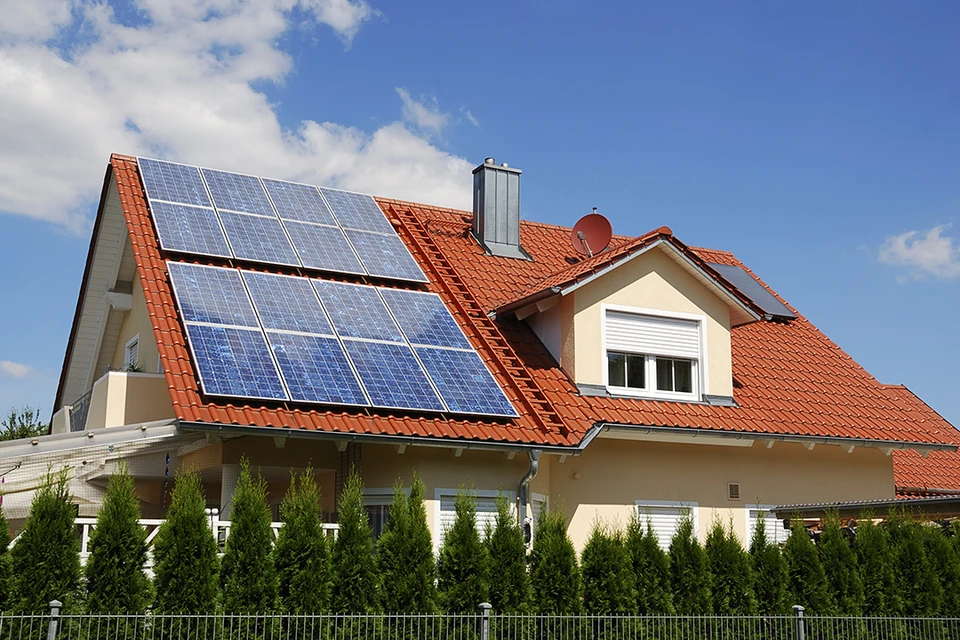
The implications of leasing solar panels can vary significantly depending on local laws and regulations. Here are a few regional considerations:
| Region | Liens on Property | Incentives |
|---|---|---|
| California | Solar leases typically result in a lien on the property. | State offers various incentives, including tax credits and rebates. |
| Texas | Liens may be placed, but homeowners have more flexibility in negotiating terms. | Limited state incentives; local programs vary. |
| New York | Leases can result in a lien, but homeowners may benefit from strong consumer protection laws. | Generous state tax credits and net metering policies. |
Understanding these factors is essential for auto owners considering solar leasing. The potential for a lien on your home can significantly impact your financial situation, especially if you plan to sell or refinance your property in the future. By being informed about the leasing process and local regulations, you can make a more educated decision that aligns with your financial goals.
Consequences of Leasing Solar Panels and Common Mistakes
Leasing solar panels can offer significant benefits, but it also comes with potential consequences that homeowners need to be aware of. Understanding these implications can help auto owners make informed decisions and avoid common pitfalls.
Consequences of Leasing Solar Panels
Leasing solar panels can lead to several consequences, particularly regarding liens on your property. Here are some key points to consider:
Impact on Home Equity
When you lease solar panels, the solar provider may place a lien on your home. This lien represents a claim against your property, which can affect your home equity. If you plan to sell your home, the lien must be settled before the sale can proceed, potentially complicating the transaction. According to a survey by the National Renewable Energy Laboratory, nearly 30% of homeowners who leased solar panels reported challenges in selling their homes due to existing liens.
Long-Term Financial Commitment
Leasing agreements typically last between 20 to 25 years. This long-term commitment can be a double-edged sword. While you may enjoy lower energy bills, you are also locked into a contract that may not be favorable if energy prices drop or if you decide to move. A study by the Solar Energy Industries Association found that 45% of homeowners regretted their decision to lease due to changing financial circumstances.
Potential for Increased Costs
While leasing solar panels may seem cost-effective initially, homeowners can face unexpected costs. Maintenance fees, insurance adjustments, and potential increases in lease payments can add up over time. A report from EnergySage indicates that homeowners who lease may pay up to 20% more over the life of the lease compared to those who purchase their solar systems outright.
Common Mistakes to Avoid

To navigate the complexities of solar leasing effectively, it is crucial to avoid common mistakes:
Not Reading the Lease Agreement Thoroughly
Many homeowners fail to read the fine print of their lease agreements. This oversight can lead to misunderstandings about payment structures, maintenance responsibilities, and the implications of liens. It is essential to consult with a legal expert to clarify any confusing terms.
Ignoring Local Regulations
Local laws can significantly impact solar leasing agreements. Homeowners often overlook specific regulations that may affect their contracts. For instance, some states have laws that protect homeowners from aggressive lien practices. Researching local regulations can help you understand your rights and responsibilities.
Failing to Compare Options
Homeowners frequently make the mistake of not comparing different solar leasing options. Each provider may have varying terms, fees, and incentives. A study by the Solar Foundation found that homeowners who compared multiple quotes saved an average of 15% on their solar installation costs.
Expert Recommendations
To make the best decision regarding solar leasing, consider the following expert recommendations:
Consult with a Financial Advisor
Before signing a lease agreement, consult with a financial advisor who understands solar energy investments. They can help you assess the long-term financial implications and determine if leasing is the right choice for you.
Negotiate Terms
Don’t hesitate to negotiate the terms of your lease. Many solar providers are willing to adjust payment structures or maintenance responsibilities to make the agreement more favorable for you.
Consider Buying Instead of Leasing
If financially feasible, consider purchasing solar panels outright. While the upfront costs are higher, owning your system can provide greater long-term savings and eliminate concerns about liens. According to the Solar Energy Industries Association, homeowners who purchase solar systems can save an average of 30% on their energy bills compared to those who lease.
Practical Tip
Before committing to a solar lease, conduct thorough research on local regulations, compare multiple providers, and consult with experts. By being proactive and informed, you can avoid common pitfalls and make a decision that aligns with your financial goals and lifestyle.