

Leasing a Car with Low Credit: What You Need to Know
Leasing a car can be an attractive option for many drivers, offering the chance to drive a new vehicle without the long-term commitment of a purchase. However, your credit score plays a significant role in determining whether you can secure a lease and under what terms. For individuals with a credit score around 500, the landscape can be particularly challenging. A low credit score often signals to lenders that you may be a higher risk, which can lead to higher interest rates, larger down payments, or outright denial of the lease application.
Understanding the implications of your credit score is crucial when making financial decisions related to vehicle leasing. A low score can limit your options and increase your costs, making it essential to explore all avenues before committing to a lease. This situation is not just about getting behind the wheel; it’s about making informed choices that align with your financial health.
In the current economic climate, where vehicle prices are rising and financing options are tightening, knowing how to navigate the leasing process with a low credit score can save you both money and frustration. Whether you’re a first-time leaser or someone looking to upgrade, understanding your credit situation and its impact on leasing can empower you to make better decisions. The stakes are high, and being equipped with the right information can make all the difference in securing a vehicle that meets your needs without breaking the bank.
Navigating Car Leasing with a Low Credit Score
Leasing a car with a credit score of 500 presents unique challenges and opportunities. Understanding the key terms, processes, and requirements can help you make informed decisions. This section will break down the core subject, providing essential information for potential leasers with lower credit scores.
Key Terms Defined
Before diving into the leasing process, it’s important to understand some key terms that will come up frequently:
- Credit Score: A numerical representation of your creditworthiness, typically ranging from 300 to 850. A score of 500 is considered poor and may limit your leasing options.
- Lease Agreement: A contract between you and the leasing company that outlines the terms of the lease, including the duration, monthly payments, and mileage limits.
- Down Payment: An upfront payment made at the beginning of the lease, which can reduce your monthly payments.
- Residual Value: The estimated value of the car at the end of the lease term, which affects your monthly payments.
- Money Factor: The interest rate for the lease, expressed as a decimal. A lower money factor means lower monthly payments.
Leasing Process Overview
Leasing a car with a low credit score involves several steps:
- Assess Your Credit Score: Obtain a copy of your credit report and check your score. Knowing where you stand will help you understand your options.
- Research Leasing Companies: Not all leasing companies have the same criteria. Some may be more lenient towards individuals with lower credit scores.
- Prepare Documentation: Gather necessary documents, including proof of income, residency, and identification. This information can help demonstrate your reliability as a lessee.
- Negotiate Terms: Be prepared to negotiate the lease terms, including the down payment and monthly payments. A larger down payment may improve your chances of approval.
- Review the Lease Agreement: Carefully read through the lease agreement before signing. Pay attention to fees, mileage limits, and maintenance responsibilities.
Legal and Financial Requirements
When leasing a car, there are several legal and financial requirements to consider:
- Minimum Income Requirements: Many leasing companies require proof of a stable income. This is especially important for individuals with lower credit scores.
- Insurance Requirements: You will need to maintain comprehensive insurance coverage on the leased vehicle. This is often a requirement in the lease agreement.
- Co-Signer Options: If you have a low credit score, consider asking someone with better credit to co-sign the lease. This can improve your chances of approval and may lead to better terms.
Comparative Analysis of Leasing Options
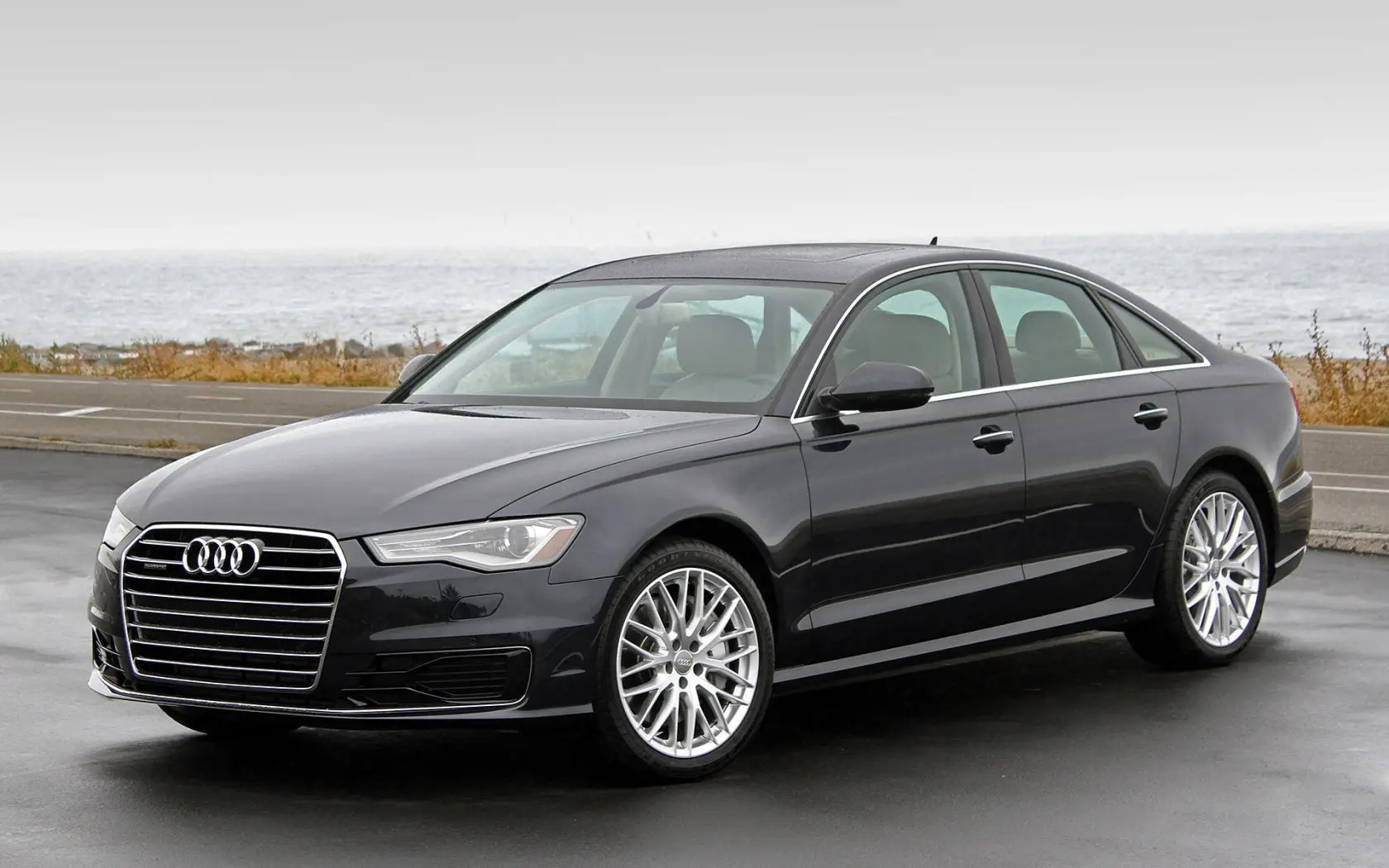
When considering leasing with a low credit score, it’s helpful to compare different leasing options. Below is a table outlining the potential terms you might encounter based on credit score ranges:
| Credit Score Range | Typical Down Payment | Monthly Payment Estimate | Approval Likelihood |
|---|---|---|---|
| 300-499 | 20-30% of vehicle price | High (varies by vehicle) | Low |
| 500-579 | 15-25% of vehicle price | Moderate (varies by vehicle) | Moderate |
| 580-669 | 10-20% of vehicle price | Lower (varies by vehicle) | High |
| 670 and above | 5-15% of vehicle price | Lowest (varies by vehicle) | Very High |
Regional Considerations
Leasing regulations and practices can vary by region. Here are some key points to consider:
- State Laws: Some states have specific laws governing leasing agreements, including disclosure requirements and maximum allowable fees. Be sure to check your local regulations.
- Sales Tax: Depending on your state, you may be required to pay sales tax on the total lease amount or just on the monthly payments. This can affect your overall cost.
- Consumer Protections: Certain states have consumer protection laws that may provide additional rights for lessees, such as the right to cancel a lease under specific circumstances.
By understanding these aspects of leasing a car with a low credit score, you can better navigate the process and make informed decisions that align with your financial situation.
Consequences of Leasing with a Low Credit Score
Leasing a car with a credit score of 500 can lead to several significant consequences that potential lessees should be aware of. Understanding these implications can help you make informed decisions and avoid pitfalls.
Higher Costs
One of the most immediate consequences of leasing with a low credit score is the increased cost. Individuals with lower credit scores often face higher interest rates, which translates to higher monthly payments. According to a study by Experian, consumers with credit scores below 600 can expect to pay up to 50% more in interest compared to those with scores above 700.
Limited Options
Low credit scores can severely limit your leasing options. Many dealerships and leasing companies may refuse to work with individuals who have scores below a certain threshold. This restriction can lead to fewer vehicle choices and may force you to settle for a less desirable model or a higher mileage vehicle.
Potential for Denial
Another consequence is the risk of outright denial. Many leasing companies have strict credit requirements, and a score of 500 may not meet those standards. This can lead to wasted time and effort in the leasing process, as well as potential embarrassment if you are denied after applying.
Common Mistakes to Avoid
When navigating the leasing process with a low credit score, several common mistakes can hinder your chances of success.
Not Checking Your Credit Report

Failing to check your credit report before applying for a lease can lead to unpleasant surprises. Errors in your credit report can negatively impact your score. By reviewing your report, you can identify and dispute inaccuracies, potentially improving your score before you apply.
Ignoring the Total Cost of Leasing
Many individuals focus solely on the monthly payment without considering the total cost of leasing, including fees, insurance, and maintenance. This oversight can lead to financial strain down the line. Always calculate the total cost of leasing to ensure it fits within your budget.
Not Shopping Around
Assuming that all leasing companies have the same terms can be a costly mistake. Different dealerships and lenders may have varying criteria and offers. Take the time to shop around and compare terms from multiple sources to find the best deal.
Expert Recommendations
To improve your chances of successfully leasing a car with a low credit score, consider the following expert recommendations.
Improve Your Credit Score
Before applying for a lease, take steps to improve your credit score. Pay down existing debts, make timely payments, and avoid opening new credit lines. Even a small increase in your score can lead to better leasing terms.
Consider a Co-Signer
If possible, find a co-signer with a stronger credit history. This can significantly improve your chances of approval and may lead to more favorable terms. Just be aware that the co-signer will be responsible for the lease if you default.
Negotiate Terms
Don’t be afraid to negotiate the terms of the lease. Ask about lower down payments or better monthly payment options. Many dealerships are willing to work with you, especially if you show that you are a responsible lessee.
Statistical Data
Understanding the statistics surrounding leasing with low credit can provide valuable context:
| Credit Score Range | Average Monthly Payment | Approval Rate |
|---|---|---|
| 300-499 | $600+ | 20% |
| 500-579 | $450-$600 | 40% |
| 580-669 | $350-$450 | 70% |
| 670 and above | $250-$350 | 90% |
By keeping these consequences, mistakes, and recommendations in mind, you can navigate the leasing process more effectively. A practical tip is to focus on improving your credit score before applying for a lease, as even a slight increase can lead to significantly better terms and options.