

Leasing a Chevy Truck: A Financial Perspective
Why Leasing Matters
Leasing a vehicle, particularly a new Chevy truck, is a significant financial decision that can impact your budget and lifestyle. For many auto owners, the allure of driving a brand-new vehicle without the long-term commitment of a purchase is enticing. However, understanding the intricacies of leasing is crucial to making an informed choice. The financial implications of leasing can vary widely based on several factors, including the vehicle’s residual value, interest rates, and the terms of the lease agreement.
The Appeal of Leasing
Leasing offers a way to enjoy the latest technology and features that come with new Chevy trucks without the hefty price tag associated with buying. Monthly payments for leases are typically lower than those for loans, allowing you to drive a more expensive model or trim level than you might afford if you were purchasing outright. This flexibility can be particularly appealing for those who value having a reliable and modern vehicle for work or personal use.
Financial Considerations
However, it’s essential to consider the total cost of leasing versus buying. While the monthly payments may be lower, leases often come with mileage limits and potential fees for excessive wear and tear. Additionally, at the end of the lease term, you won’t own the vehicle, which means you won’t have an asset to sell or trade in. This can lead to a cycle of continuous payments if you choose to lease again.
Moreover, understanding the terms of the lease agreement is vital. Factors such as the down payment, money factor (interest rate), and the length of the lease can significantly affect your overall expenditure. Therefore, before signing on the dotted line, it’s crucial to assess your driving habits, financial situation, and long-term vehicle needs.
In summary, while leasing a Chevy truck can be an attractive option for many, it requires careful consideration of the financial implications. Making an informed decision can lead to a more satisfying and financially sound vehicle ownership experience.
Understanding the Costs of Leasing a New Chevy Truck
Key Terms Defined
Leasing a vehicle involves several specific terms that are crucial for understanding the overall cost and process. Here are some key terms you should know:
- Capitalized Cost: This is the negotiated price of the vehicle you are leasing. It can include the vehicle price, taxes, and any additional fees.
- Residual Value: This is the estimated value of the vehicle at the end of the lease term. It affects your monthly payments; a higher residual value typically results in lower payments.
- Money Factor: This is the lease equivalent of an interest rate. It determines how much interest you will pay over the lease term.
- Lease Term: This refers to the length of the lease, usually expressed in months. Common terms are 24, 36, or 48 months.
- Mileage Allowance: Most leases come with a mileage limit, often between 10,000 to 15,000 miles per year. Exceeding this limit can result in additional fees.
Leasing Process Overview
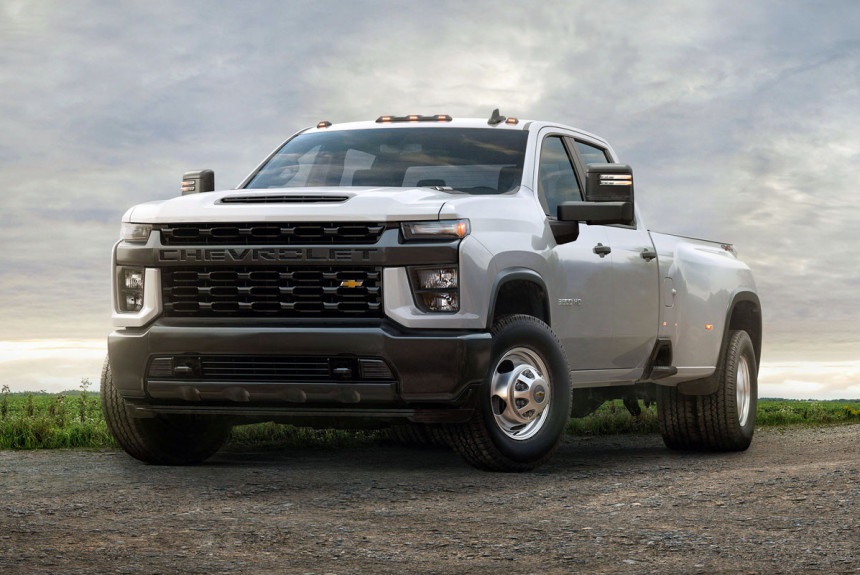
Leasing a new Chevy truck involves several steps, each of which plays a role in determining how much you will pay. Here’s a breakdown of the leasing process:
- Research: Start by researching different Chevy truck models and their features. Consider your needs, such as towing capacity, fuel efficiency, and technology features.
- Negotiate the Capitalized Cost: Visit dealerships and negotiate the price of the truck. The lower the capitalized cost, the lower your monthly payments will be.
- Understand the Residual Value: Ask the dealer for the residual value of the truck. This number is usually set by the leasing company and can vary based on the model and market conditions.
- Calculate the Money Factor: Inquire about the money factor and convert it to an annual percentage rate (APR) for easier comparison with loan rates.
- Review the Lease Agreement: Carefully read the lease agreement, paying attention to the mileage allowance, fees, and any additional costs.
- Sign and Drive: Once you are satisfied with the terms, sign the lease agreement and take your new Chevy truck home.
Legal and Financial Requirements
Leasing a vehicle comes with specific legal and financial requirements that vary by region. Here are some common considerations:
- Credit Score: A good credit score is often required to secure favorable lease terms. Most leasing companies look for a score of 700 or higher.
- Insurance: You will need to maintain comprehensive insurance coverage on the leased vehicle, which can be more expensive than standard coverage.
- Down Payment: Some leases require a down payment, which can range from a few hundred to several thousand dollars, depending on the vehicle and terms.
- State Regulations: Be aware of local laws regarding leasing. Some states have specific regulations about lease disclosures and consumer rights.
Cost Breakdown
To give you a clearer picture of what to expect when leasing a new Chevy truck, here’s a table outlining typical costs associated with leasing:
| Cost Component | Typical Range | Notes |
|---|---|---|
| Capitalized Cost | $30,000 – $50,000 | Negotiated price of the truck. |
| Residual Value | 50% – 60% | Value at the end of the lease term. |
| Money Factor | 0.0010 – 0.0030 | Equivalent to 2.4% – 7.2% APR. |
| Monthly Payment | $300 – $600 | Varies based on capitalized cost and residual value. |
| Down Payment | $0 – $3,000 | Can vary widely based on lease terms. |
| Mileage Allowance | 10,000 – 15,000 miles/year | Exceeding mileage can incur fees. |
By understanding these components, you can better assess how much it will cost to lease a new Chevy truck and make a more informed decision.
Consequences of Leasing a New Chevy Truck
Financial Implications
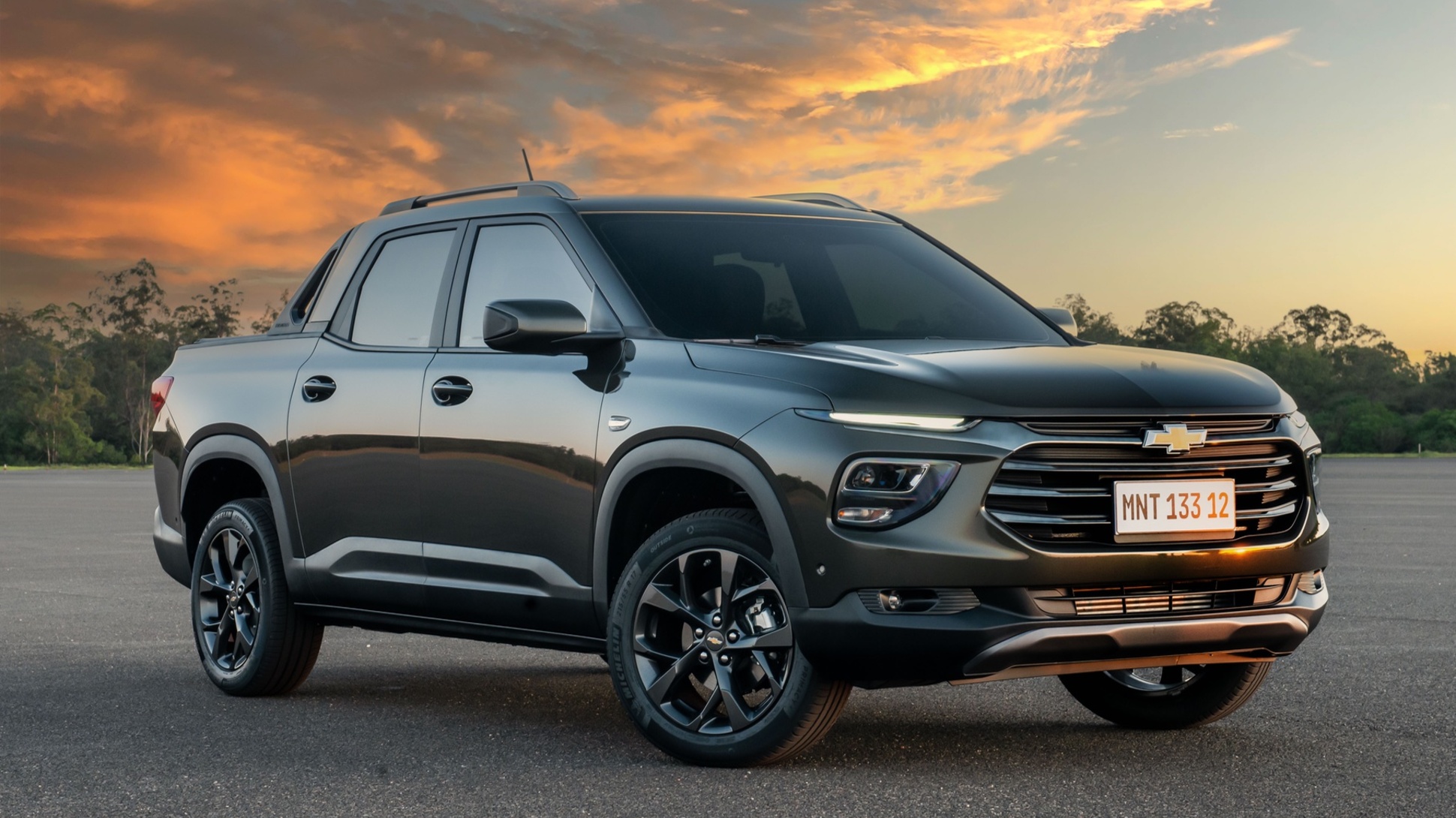
Leasing a new Chevy truck can have significant financial consequences, both positive and negative. On the positive side, lower monthly payments compared to purchasing can free up cash for other expenses. However, if not managed properly, leasing can lead to unexpected costs. For instance, exceeding the mileage limit can result in fees ranging from 15 to 25 cents per mile, which can add up quickly.
Statistically, around 30% of lessees exceed their mileage limits, leading to additional charges that can negate the benefits of lower monthly payments. Furthermore, if the vehicle is returned with excessive wear and tear, additional fees may apply, which can further inflate the total cost of leasing.
Common Mistakes When Leasing
Several common mistakes can lead to unfavorable leasing experiences. Recognizing these pitfalls can help you avoid them.
Not Negotiating the Capitalized Cost
Many lessees accept the initial offer without negotiating the capitalized cost. This can lead to higher monthly payments. Research shows that consumers who negotiate can save an average of 10% on the capitalized cost, significantly lowering their overall lease expenses.
Ignoring the Residual Value
Failing to understand the residual value can also be detrimental. A low residual value means higher monthly payments. It is crucial to ask for the residual value upfront and compare it with similar models to ensure you are getting a fair deal.
Overlooking Additional Fees
Leases often come with various fees that can be overlooked. These may include acquisition fees, disposition fees, and taxes. According to industry data, these fees can add up to 1,000 or more over the lease term. Always request a detailed breakdown of all fees before signing the lease agreement.
Expert Recommendations
Experts recommend several strategies to ensure a favorable leasing experience.
Do Your Homework
Research the specific Chevy truck models you are interested in and their market values. Understanding the average lease terms and costs can empower you during negotiations. Websites like Edmunds and Kelley Blue Book provide valuable insights into vehicle pricing and leasing trends.
Calculate Total Lease Costs
Before signing, calculate the total cost of the lease, including all fees, taxes, and potential mileage overages. This will give you a clearer picture of what you will actually pay over the lease term.
Consider Your Driving Habits
Assess your driving habits realistically. If you drive long distances regularly, consider negotiating a higher mileage allowance upfront to avoid excess mileage fees. Most leases allow for adjustments to the mileage limit at the outset, often at a lower cost than paying penalties later.
Statistical Insights
A recent survey indicated that 45% of consumers do not fully understand the terms of their lease agreements. Additionally, 25% of lessees reported being surprised by additional fees at the end of their lease. These statistics highlight the importance of being informed and proactive in the leasing process.
Practical Tip
Before committing to a lease, always take the time to read the fine print and clarify any uncertainties with the dealer. A well-informed lessee is more likely to secure favorable terms and avoid unexpected costs.