

Making the Right Choice: Buy or Lease?
In the world of luxury automobiles, few brands evoke the same level of admiration and desire as BMW. Known for their performance, engineering excellence, and cutting-edge technology, BMW vehicles are often seen as a status symbol. However, the decision to acquire one—whether through buying or leasing—can significantly impact your financial situation. This choice is not merely about the car itself; it reflects your lifestyle, budget, and long-term financial goals.
For many auto owners, the allure of a new BMW comes with a hefty price tag. While purchasing a vehicle allows for ownership and the freedom to customize, leasing offers lower monthly payments and the opportunity to drive a new model every few years. Each option has its pros and cons, and understanding these can help you make a more informed decision.
The financial implications of buying versus leasing are substantial. Buying a BMW means committing to a long-term investment, which can be beneficial if you plan to keep the car for several years. On the other hand, leasing may seem more appealing if you prefer to drive the latest models without the burden of long-term maintenance costs.
As you weigh your options, consider factors such as your driving habits, budget constraints, and personal preferences. Do you drive extensively, or do you prefer a vehicle for occasional use? Are you comfortable with the idea of a monthly payment that may be lower but comes with mileage restrictions? These questions are crucial in determining the best path for your automotive journey.
Ultimately, the decision to buy or lease a BMW is not just about the car itself; it’s about aligning your choice with your financial strategy and lifestyle. By carefully evaluating your needs and preferences, you can make a choice that not only satisfies your desire for a luxury vehicle but also supports your financial well-being.
Deciding Between Ownership and Leasing: A Comprehensive Guide
When it comes to acquiring a BMW, the decision to buy or lease is pivotal. This section breaks down the core aspects of each option, defining key terms, describing processes, and outlining the financial and legal requirements involved.
Understanding Key Terms
Before diving into the specifics, it’s essential to understand some key terms associated with buying and leasing a vehicle:
- Ownership: When you buy a car, you own it outright. This means you have the freedom to modify, sell, or trade the vehicle as you wish.
- Leasing: Leasing is essentially a long-term rental agreement. You pay to use the vehicle for a specified period, usually 2 to 4 years, after which you return it to the dealership.
- Down Payment: This is the initial amount you pay upfront when buying or leasing a car. A larger down payment can reduce monthly payments.
- Monthly Payments: The amount you pay each month, which varies significantly between buying and leasing.
- Mileage Limit: Leasing agreements often come with mileage restrictions. Exceeding these limits can result in additional fees.
- Residual Value: This is the estimated value of the car at the end of the lease term, which affects your monthly payments.
Buying a BMW: The Process and Requirements
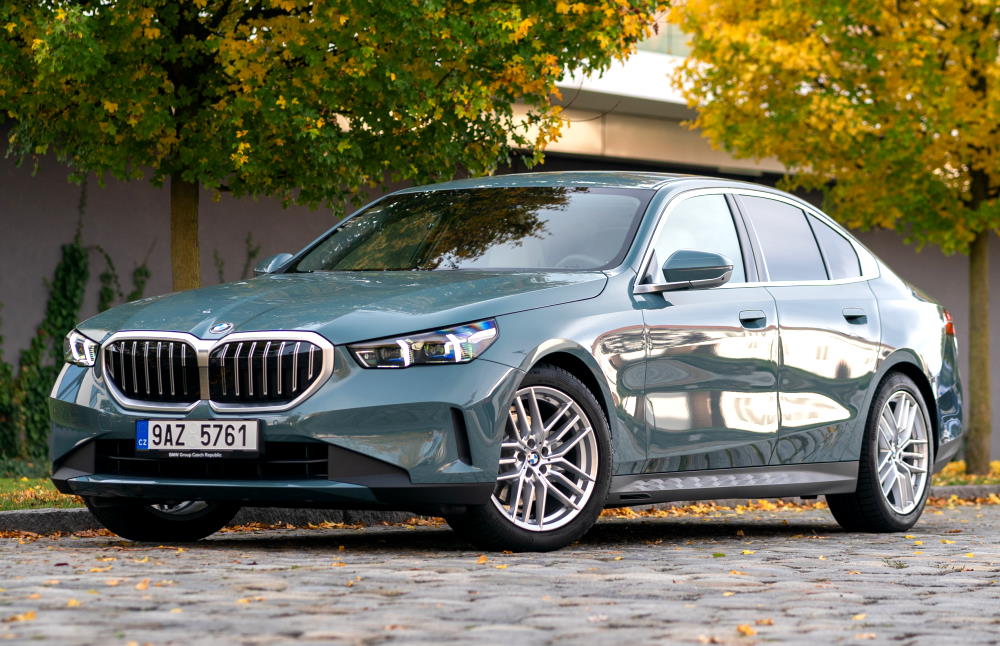
When you decide to buy a BMW, the process typically involves the following steps:
1. Research and Selection: Determine which BMW model fits your needs and budget. Consider factors like fuel efficiency, size, and features.
2. Financing Options: Decide whether to pay in cash or finance through a loan. If financing, check your credit score, as it will impact your interest rate.
3. Down Payment: Prepare a down payment, which usually ranges from 10% to 20% of the vehicle’s price.
4. Purchase Agreement: Review and sign the purchase agreement, which outlines the terms of the sale, including the price, financing details, and any warranties.
5. Registration and Insurance: After purchase, you’ll need to register the vehicle and obtain insurance, which is mandatory in most regions.
Leasing a BMW: The Process and Requirements
Leasing a BMW involves a different set of steps:
1. Choose Your Model: Similar to buying, start by selecting the BMW model you wish to lease.
2. Lease Terms: Negotiate the lease terms, including the duration (typically 24 to 48 months) and mileage limits (often between 10,000 to 15,000 miles per year).
3. Down Payment: While leasing usually requires a lower down payment than buying, it is still common to pay something upfront.
4. Monthly Payments: Your monthly lease payment is calculated based on the vehicle’s depreciation, interest rate, and residual value.
5. End of Lease Options: At the end of the lease, you have the option to buy the car at its residual value, lease a new model, or return the vehicle.
Financial Considerations
The financial implications of buying versus leasing can be significant. Here’s a comparison of the two options:
| Aspect | Buying | Leasing |
|---|---|---|
| Ownership | Own the car outright | No ownership; return the car |
| Monthly Payments | Higher payments | Lower payments |
| Mileage Restrictions | No restrictions | Typically limited to 10,000-15,000 miles/year |
| Maintenance Costs | Responsible for all costs | Often covered under warranty |
| Tax Benefits | Potential deductions for business use | Monthly payments may be tax-deductible for business use |
| Customization | Full freedom to modify | Limited; must return in original condition |
Legal and Regional Considerations
When buying or leasing a BMW, it’s crucial to be aware of local laws and regulations that may affect your decision:
– Sales Tax: In many regions, buying a car incurs a sales tax based on the purchase price. Leasing may also be subject to tax, but it can vary by state.
– Registration Fees: Both buying and leasing require vehicle registration, which can differ in cost depending on your location.
– Insurance Requirements: Most states mandate minimum insurance coverage. Leasing companies often require higher coverage levels, which can increase your monthly expenses.
Understanding these factors will help you navigate the complexities of acquiring a BMW, whether you choose to buy or lease.
Consequences of Buying vs. Leasing a BMW
Deciding whether to buy or lease a BMW can have significant financial and lifestyle consequences. Each option comes with its own set of advantages and drawbacks that can impact your budget, driving experience, and long-term satisfaction.
Financial Consequences
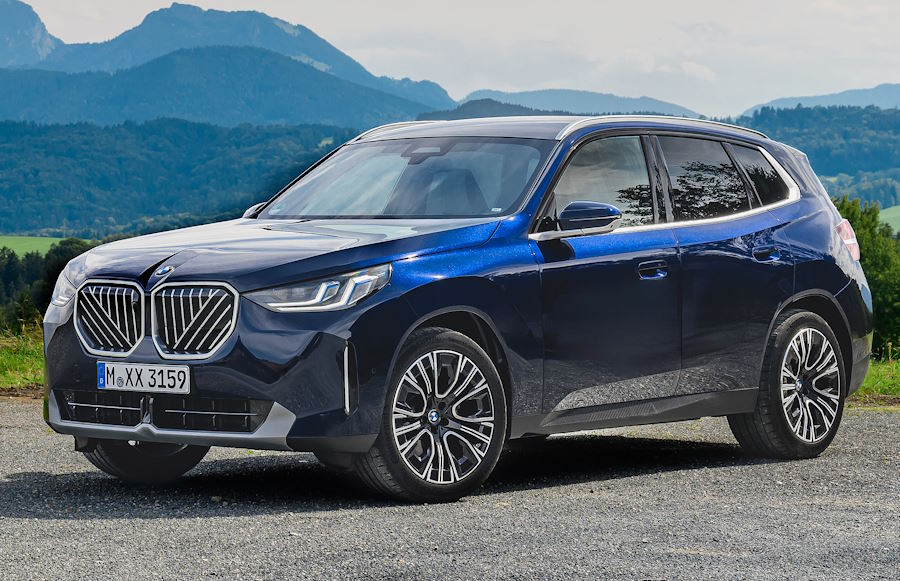
When considering the financial implications, it’s essential to look at both immediate and long-term costs.
– Buying a BMW often requires a larger upfront payment and higher monthly payments compared to leasing. However, once the vehicle is paid off, you own an asset that can retain value over time.
– Leasing typically involves lower monthly payments, making it more accessible for those who prefer to drive a new car every few years. However, at the end of the lease, you have no ownership and must return the vehicle.
Statistically, a study by Edmunds found that the average monthly payment for a new car purchase was around $575, while leasing averaged about $450. This difference can make leasing seem more attractive initially, but it’s crucial to consider the long-term implications.
Common Mistakes
Many potential BMW owners make common mistakes that can lead to dissatisfaction or financial strain. Awareness of these pitfalls can help you make a more informed decision.
Overlooking Total Costs
One of the most significant mistakes is focusing solely on monthly payments without considering the total cost of ownership or leasing. Buyers often forget to factor in insurance, maintenance, and registration fees, which can add up quickly.
Ignoring Mileage Limits
Leasing a BMW usually comes with mileage restrictions. Exceeding these limits can lead to hefty penalties, often costing 15 to 25 cents per mile over the limit. For example, if you exceed a 12,000-mile limit by 5,000 miles, you could face an additional charge of up to $1,250 at the end of the lease.
Not Researching Residual Values
When leasing, understanding the residual value of the car is crucial. A vehicle with a high residual value will depreciate less, resulting in lower lease payments. Failing to research this can lead to overpaying for a lease.
Expert Recommendations
To navigate the complexities of buying versus leasing, consider these expert recommendations:
– Assess Your Driving Habits: If you drive extensively, buying may be the better option to avoid mileage penalties associated with leasing.
– Calculate Total Costs: Before making a decision, calculate the total cost of ownership versus leasing, including insurance, maintenance, and potential penalties.
– Negotiate Lease Terms: Don’t accept the first offer. Negotiate mileage limits and monthly payments to better suit your needs.
– Consider Future Needs: Think about your future driving requirements. If you anticipate needing a different vehicle in a few years, leasing may offer more flexibility.
Statistical Insights
Understanding the market can also guide your decision. According to a report from Experian, approximately 30% of new car buyers choose to lease rather than buy. This trend indicates a growing preference for leasing, especially among younger consumers who value lower monthly payments and the ability to drive new models frequently.
Practical Tip
Before making a decision, create a detailed budget that includes all potential costs associated with both buying and leasing a BMW. This will give you a clearer picture of what you can afford and help you avoid common pitfalls. By taking the time to analyze your financial situation and future needs, you can make a more informed choice that aligns with your lifestyle and budget.