

The Financial Implications of Buying a Used Leased Vehicle
Why This Decision Matters
Purchasing a vehicle is one of the most significant financial decisions many individuals make in their lives. For many, a car is not just a mode of transportation; it’s a necessity that impacts daily routines, work commutes, and family logistics. As the automotive market evolves, the option to buy a used leased car has gained traction among savvy buyers looking for value without compromising quality. This decision can be particularly appealing for those who want to avoid the steep depreciation that new cars experience the moment they leave the dealership.
Understanding Leased Vehicles
Leased cars are typically returned to the dealership after a set period, often two to three years. During this time, the vehicle is usually well-maintained, as lessees are often required to adhere to strict maintenance schedules and mileage limits. When these cars hit the used market, they can offer a unique opportunity for buyers. However, it’s crucial to understand the nuances of these vehicles, including their history, condition, and potential hidden costs.
The Financial Benefits
Buying a used leased car can be financially advantageous for several reasons:
- Lower Purchase Price: Used leased cars are generally priced lower than their new counterparts, allowing buyers to get more vehicle for their money.
- Reduced Depreciation: Since the bulk of depreciation has already occurred during the lease period, buyers can avoid the steepest drop in value.
- Warranty Coverage: Many leased vehicles are still under the manufacturer’s warranty, providing peace of mind for buyers concerned about potential repairs.
Potential Drawbacks
While there are clear advantages, it’s essential to consider potential downsides:
- Limited Customization: Leased vehicles may have specific features or options that can’t be changed, limiting personalization.
- Wear and Tear: Depending on the previous lessee, the car may show signs of wear that could lead to future repair costs.
- Unknown History: Without thorough inspection and history checks, buyers may unknowingly purchase a vehicle with underlying issues.
In summary, the decision to buy a used leased car is not just about the initial cost; it encompasses a broader financial strategy that can impact your budget, lifestyle, and long-term vehicle satisfaction. As you weigh the pros and cons, consider how this choice aligns with your financial goals and automotive needs.
Evaluating the Purchase of a Used Leased Vehicle
Key Terms Defined
Before diving into the specifics of buying a used leased car, it’s essential to clarify some key terms that will help you navigate this decision:
- Leasing: A leasing agreement allows individuals to use a vehicle for a specified period, typically two to three years, in exchange for monthly payments. At the end of the lease, the vehicle is returned to the dealership.
- Residual Value: This is the estimated value of the vehicle at the end of the lease term. It plays a crucial role in determining monthly payments and can affect the car’s resale value.
- Certified Pre-Owned (CPO): These are used vehicles that have undergone a rigorous inspection and come with an extended warranty, often making them a safer choice for buyers.
- Vehicle History Report: This report provides crucial information about a vehicle’s past, including accidents, title status, and service history. Services like Carfax and AutoCheck are popular options.
Understanding the Buying Process
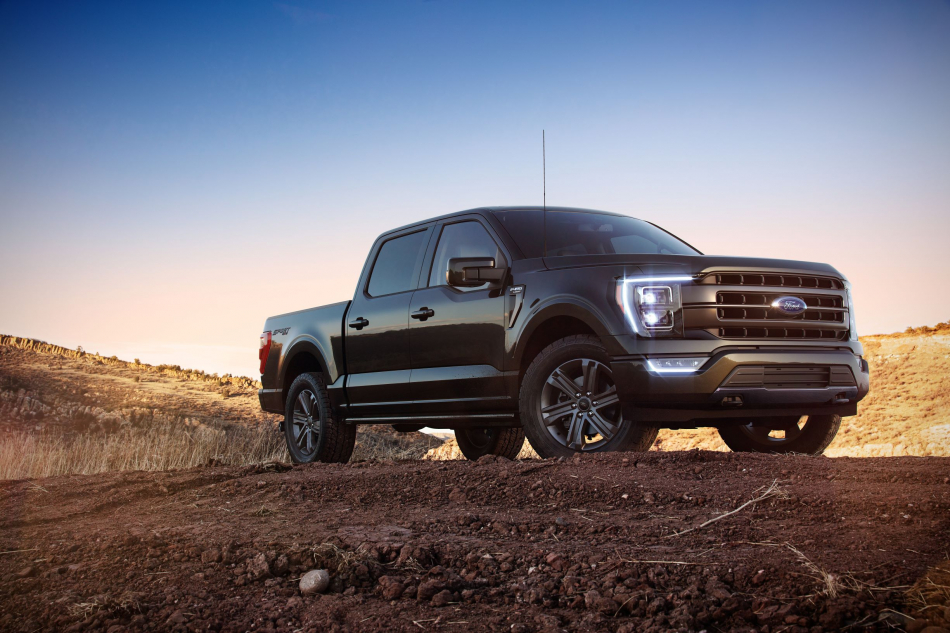
The process of purchasing a used leased car involves several steps that can help ensure you make an informed decision:
- Research: Start by researching various makes and models that interest you. Consider factors such as reliability, fuel efficiency, and maintenance costs.
- Find a Dealer: Look for dealerships that specialize in used leased vehicles. They often have a selection of cars that have been returned at the end of their lease terms.
- Inspect the Vehicle: Always conduct a thorough inspection of the car. Look for signs of wear and tear, and consider hiring a mechanic to assess its condition.
- Obtain a Vehicle History Report: This step is crucial. A vehicle history report can reveal any past accidents or issues that could affect the car’s performance and value.
- Negotiate the Price: Don’t hesitate to negotiate. Use your research and the vehicle history report as leverage to get a better deal.
- Finalize the Purchase: Once you agree on a price, review the contract carefully. Ensure all terms are clear, including any warranties or return policies.
Legal and Financial Requirements
When purchasing a used leased car, there are several legal and financial aspects to consider:
- Title Transfer: Ensure that the title is transferred to your name. This is a legal requirement that confirms your ownership of the vehicle.
- Sales Tax: Be aware that sales tax may apply to your purchase. The rate varies by state, so check local regulations.
- Financing Options: If you plan to finance the vehicle, explore various lenders to find the best interest rates and terms. Your credit score will significantly impact your financing options.
- Insurance: Before driving off, you must have insurance coverage. Check with your provider to ensure you meet the minimum requirements for your state.
Comparing Used Leased Cars to Other Options
When considering a used leased car, it’s helpful to compare it with other options, such as new cars and traditional used cars.
| Criteria | Used Leased Car | New Car | Traditional Used Car |
|---|---|---|---|
| Purchase Price | Generally lower than new | Highest initial cost | Varies widely, often lower than leased |
| Depreciation | Less depreciation since most has occurred | Rapid depreciation in the first few years | Depreciation varies based on age and condition |
| Warranty | Often still under manufacturer warranty | Full manufacturer warranty | May have limited or no warranty |
| Maintenance History | Usually well-maintained during lease | Brand new, no history | Varies; may have unknown issues |
In summary, buying a used leased car can be a financially sound decision, but it requires careful consideration of various factors, including the vehicle’s history, legal requirements, and comparisons with other purchasing options. By understanding these elements, you can make an informed choice that aligns with your financial goals and automotive needs.
Consequences of Purchasing a Used Leased Vehicle
Financial Implications
Buying a used leased car can have significant financial consequences, both positive and negative. On the positive side, these vehicles often come at a lower price point compared to new cars, allowing buyers to save money upfront. However, there are potential pitfalls that can lead to unexpected costs.
For instance, if a buyer neglects to thoroughly inspect the vehicle or obtain a vehicle history report, they may end up purchasing a car with hidden issues. According to a study by the National Highway Traffic Safety Administration, nearly 25% of used cars have some form of undisclosed damage. This can lead to costly repairs down the line, negating any initial savings.
Common Mistakes to Avoid
When considering the purchase of a used leased car, several common mistakes can derail the process and lead to regret.
Overlooking Vehicle History

Failing to obtain a vehicle history report is a critical mistake. This report provides essential information about previous accidents, title issues, and service history. Without it, buyers risk purchasing a vehicle that may have significant underlying problems.
Skipping the Inspection
Many buyers assume that a used leased car is in good condition simply because it was leased. However, skipping a professional inspection can lead to overlooking critical issues. A pre-purchase inspection can reveal problems that may not be immediately visible, such as engine issues or frame damage.
Ignoring Warranty Options
Buyers often overlook the importance of understanding warranty coverage. Many used leased cars still fall under the manufacturer’s warranty, which can save buyers money on repairs. However, if a buyer is unaware of this coverage, they may be unprepared for potential repair costs.
Expert Recommendations
To navigate the process of buying a used leased car successfully, consider these expert recommendations:
Do Your Research
Before making a purchase, research the specific make and model you are considering. Look for reliability ratings, common issues, and overall customer satisfaction. Resources like Consumer Reports and J.D. Power can provide valuable insights.
Get a Comprehensive Inspection
Always invest in a comprehensive inspection by a trusted mechanic. This step can uncover potential issues that could lead to costly repairs in the future. A small investment in an inspection can save you significant money and headaches later.
Negotiate Based on Findings
Use the information gathered from the vehicle history report and inspection to negotiate the price. If issues are found, do not hesitate to ask for a lower price or request that repairs be made before the purchase.
Statistical Data to Consider
Understanding the statistics surrounding used leased cars can provide further insight into the decision-making process.
| Statistic | Value |
|---|---|
| Percentage of Used Cars with Undisclosed Damage | 25% |
| Average Depreciation of New Cars in the First Year | 20% |
| Percentage of Leased Cars Returned in Good Condition | 70% |
| Average Cost of Repairs for Used Cars | $400 – $600 |
Practical Tip
When considering whether to buy a used leased car, always prioritize transparency and thoroughness. Obtain a vehicle history report, conduct a professional inspection, and leverage the information you gather to negotiate effectively. By taking these steps, you can make a more informed decision that aligns with your financial goals and automotive needs.